What Is HDPE Mono Net? A Plain Language Guide
If you have ever compared two green shade nets that looked identical but were priced very differently, the answer usually comes down to two words: material and construction. This guide explains both in plain language.
What HDPE Actually Is
HDPE stands for high density polyethylene, a plastic known for its high strength-to-weight ratio. It does not absorb water, it shrugs off most farm chemicals, and it does not rot. That is why it has become the default material for outdoor netting in agriculture and construction.
The catch is that not all HDPE is equal. Nets made from virgin HDPE granules behave very differently from nets made with recycled filler. Recycled content creates weak points in the yarn that show up months later as tears, sagging and colour fading. At Majestic Nets we only run virgin granules on our lines, because a net that fails in its second season is expensive at any price.
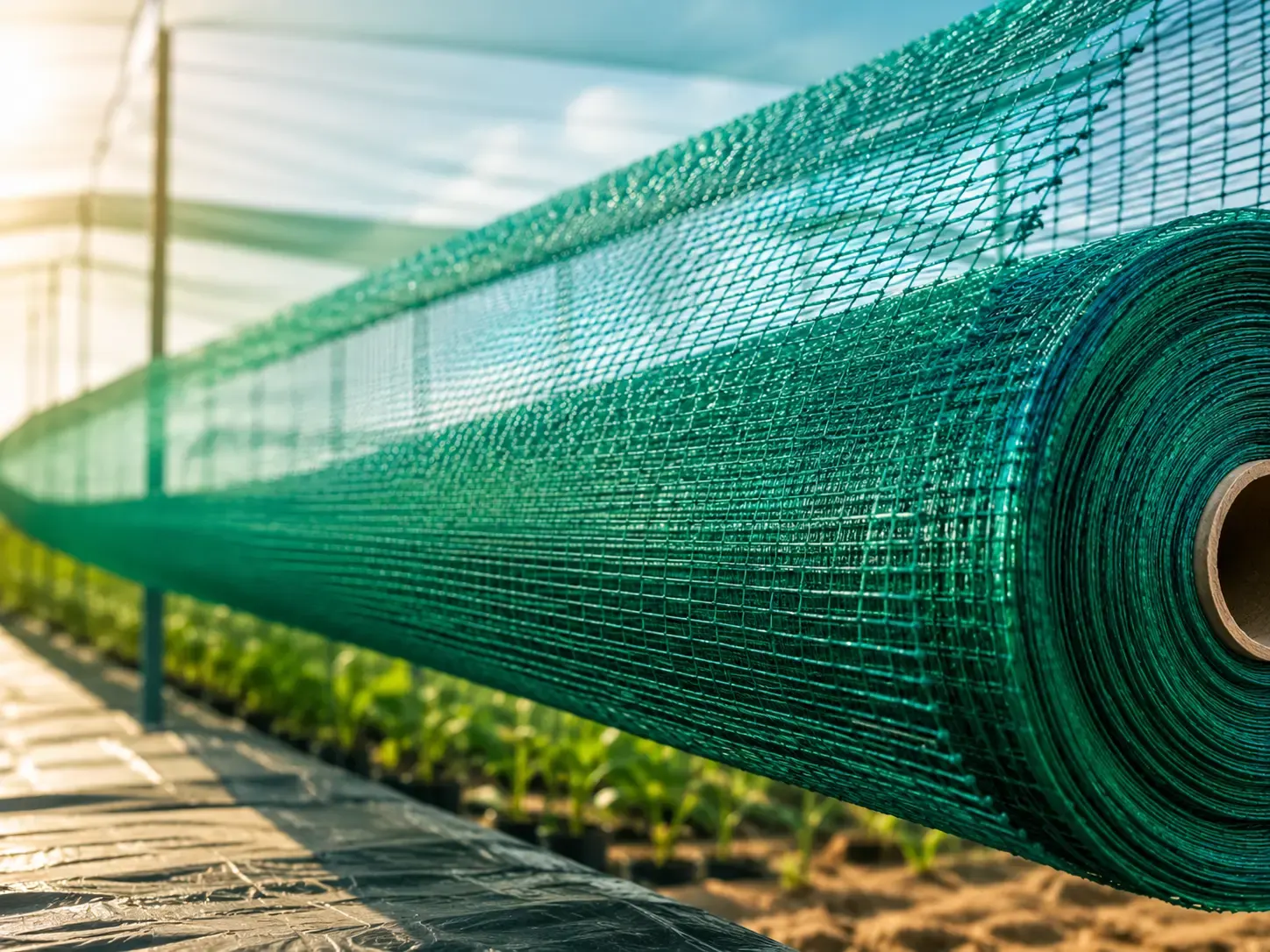
Monofilament vs Tape: The Construction Difference
HDPE nets are made from one of two yarn types:
| Feature | Monofilament (round yarn) | Tape (flat strip) |
|---|---|---|
| Yarn shape | Solid round filament, like fishing line | Flat ribbon of film |
| Tear resistance | High, tears stop at the knit | Lower, tears can run |
| Wind behaviour | Lets air pass, flutters less | Catches more wind |
| Light diffusion | Even and consistent | Can be patchy |
| Typical life | 5 or more years | 2 to 3 years |
Monofilament nets cost a little more per square metre, but the cost per year of service is almost always lower.
How Mono Net Is Made
Our process has five steps: virgin granules with UV masterbatch are melted and extruded into round yarn, the yarn is drawn to the target denier for strength, warp knitting machines lock it into mesh, the fabric passes GSM and tensile checks, and finished rolls are packed and labelled.
Because the UV stabiliser is added at the extrusion stage, it is inside the yarn itself — not a surface coating that washes off.
Where Mono Nets Are Used
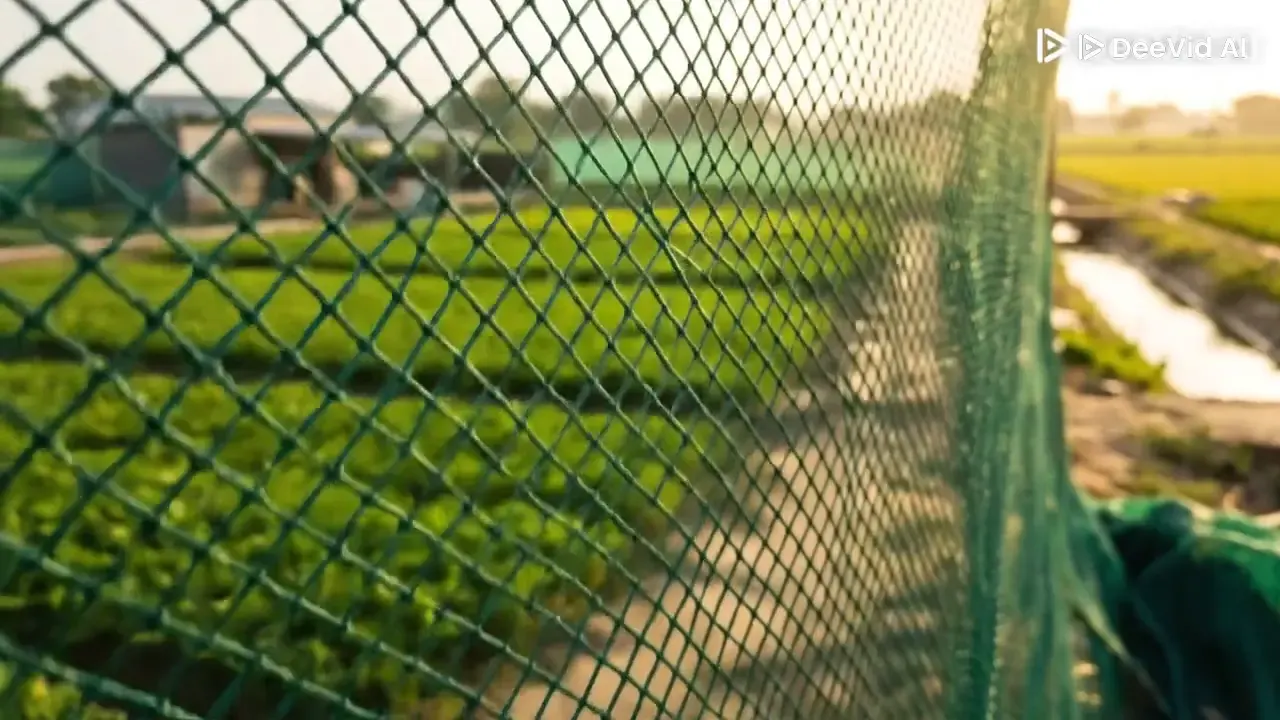
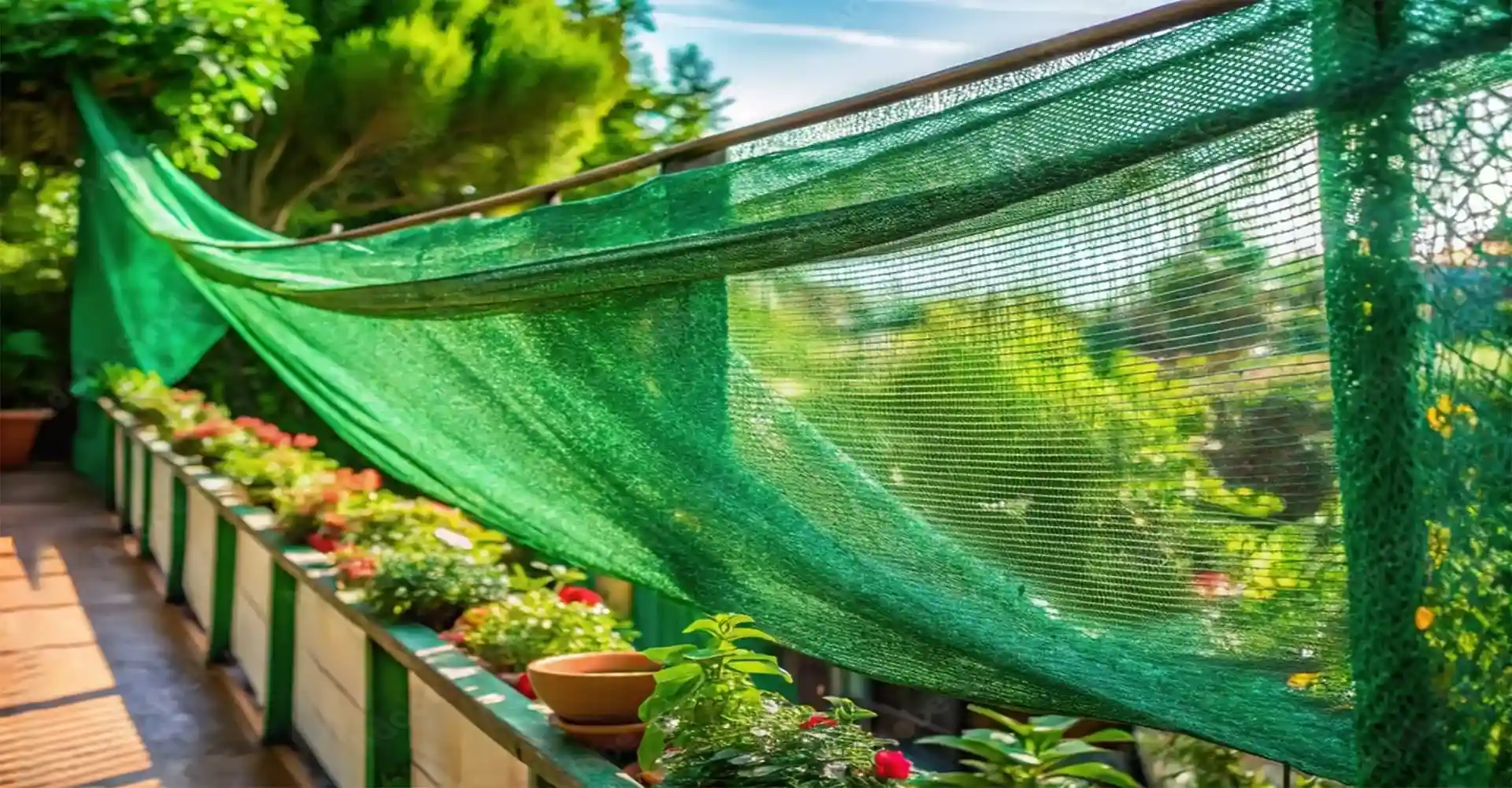
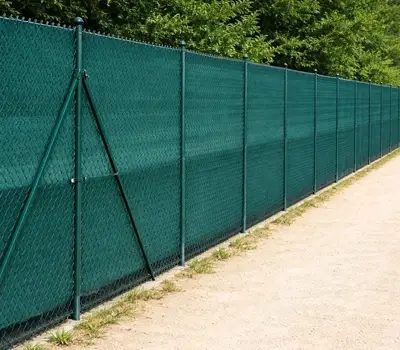
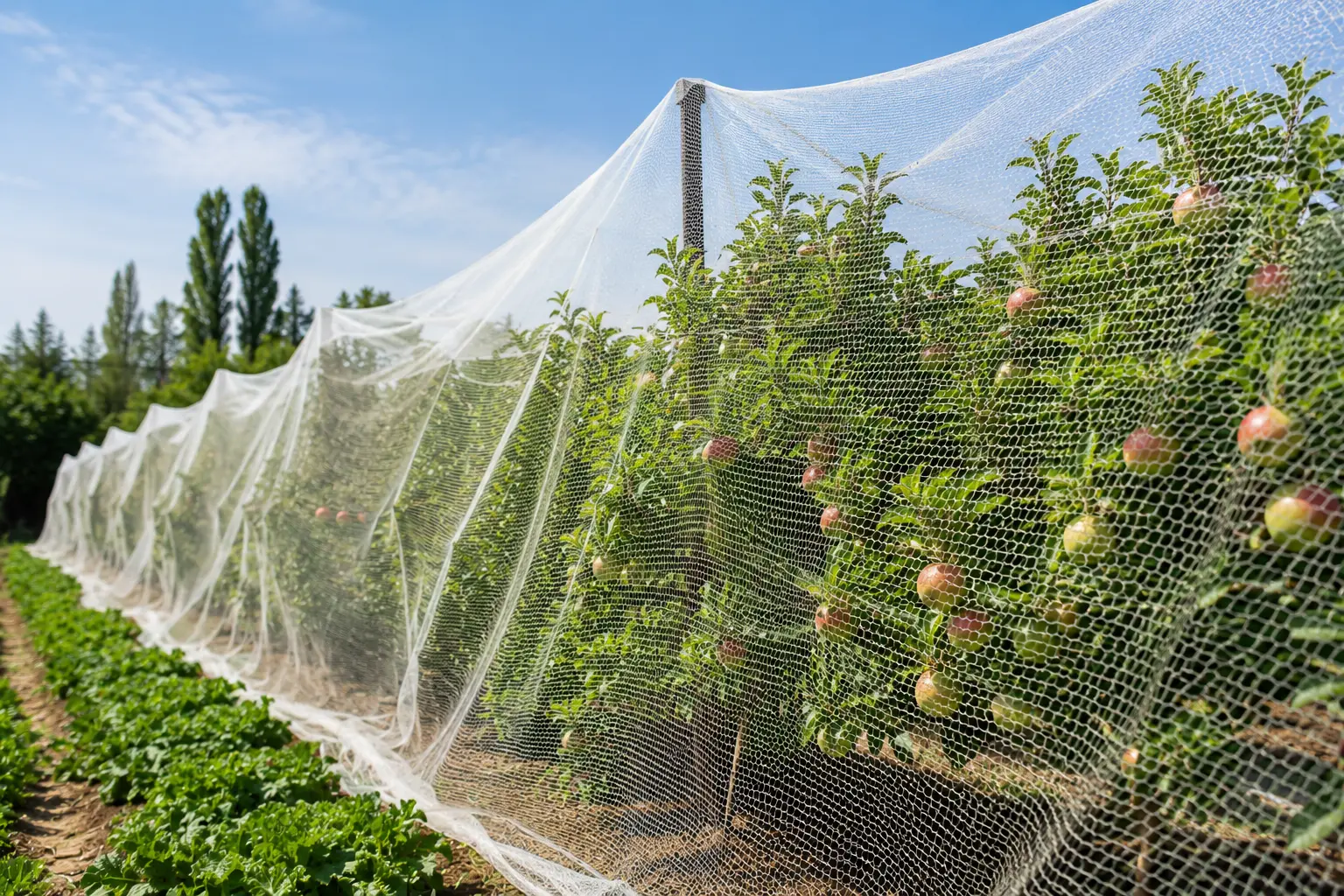
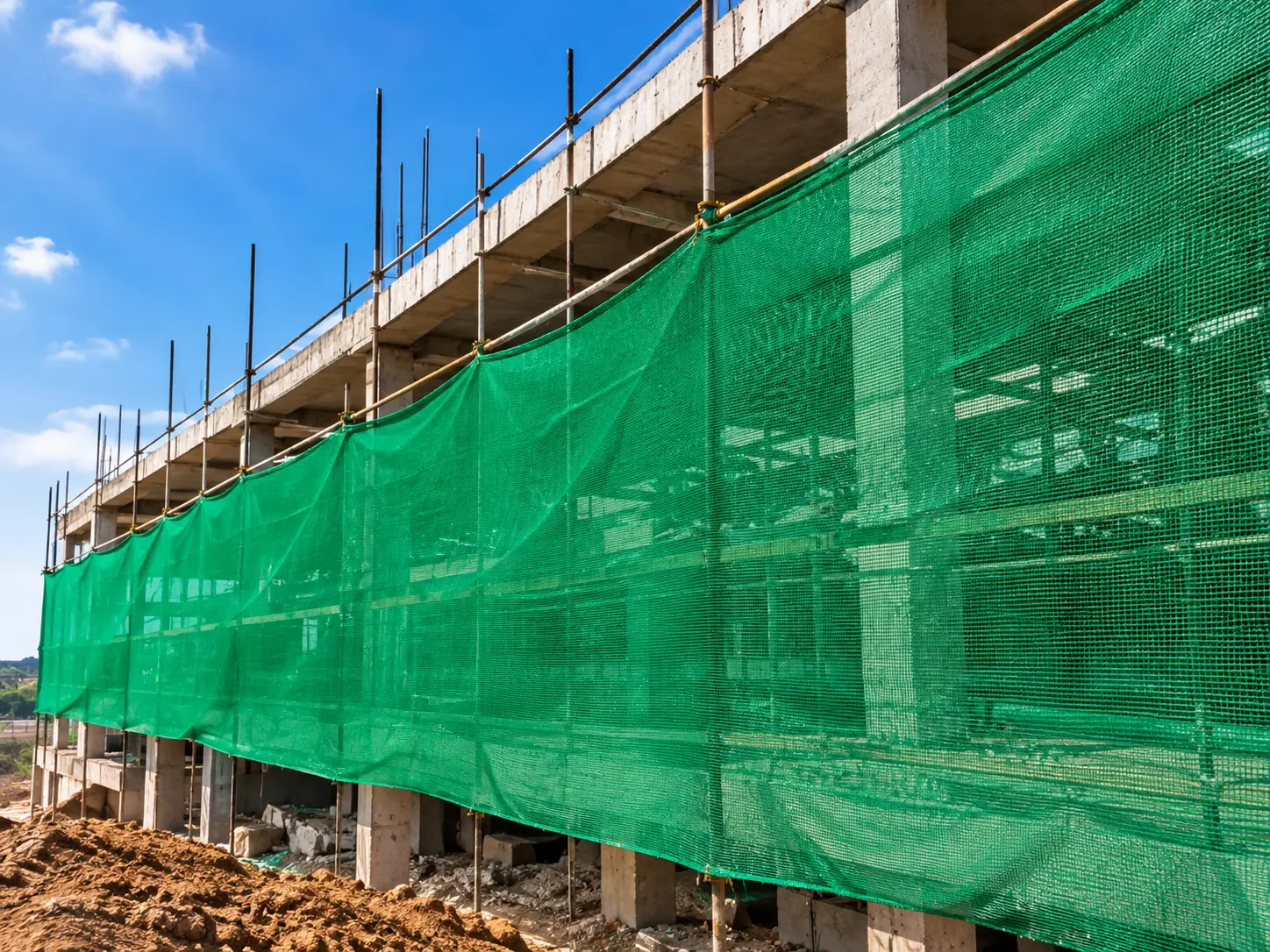
The same fabric family covers a surprising range of jobs: shade for poly houses and nurseries, anti-bird and hail protection for orchards, windbreaks around fields, debris containment on construction sites, and parking shades that keep cars cool.
The Short Version
When you buy an HDPE net, ask two questions: is it virgin material, and is it monofilament? If the answer to both is yes, you are buying years of service, not months.
Need help choosing a specification? Send us your use case through the quote form and we will recommend the right net for it.
Frequently Asked Questions
Need HDPE nets for this application?
Factory direct pricing, custom sizes and honest specs from our plant in Bhavnagar.
Get a QuoteMajestic Nets Team
Articles from the people who run the extrusion and knitting lines at Majestic Nets Pvt. Ltd.. We write the guides we wish our customers had before buying.